
Leather ball cricket is serious cricket. Unlike tennis ball cricket, the ball is hard, heavy, and capable of causing serious injuries if proper safety gear is not used. Whether you’re playing club cricket, school tournaments, district matches, or professional games, certain equipment is compulsory for safety and performance.
Cricket Bat
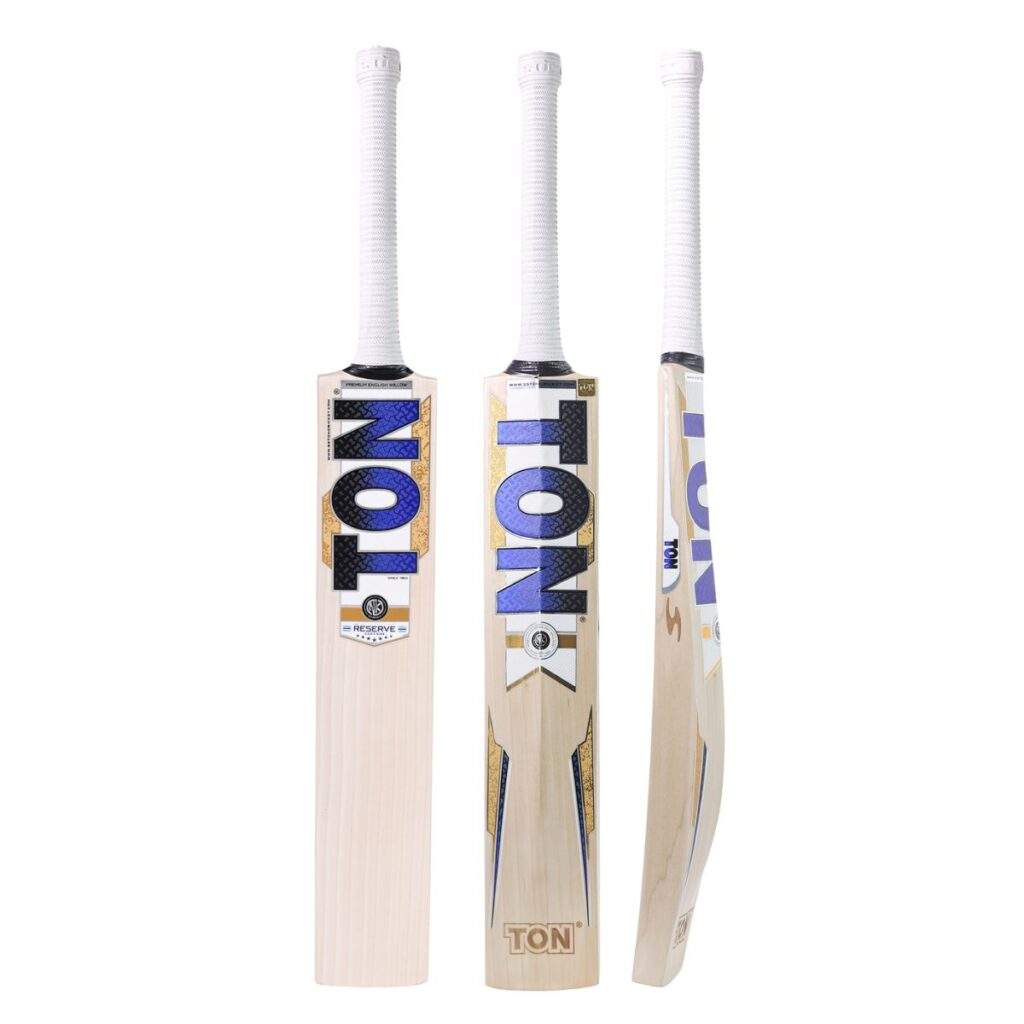
A proper cricket bat designed for leather ball is compulsory.
Why It’s Important:
Leather balls are harder and heavier than tennis balls. Using a low-quality or tennis-ball bat can damage the bat and affect performance.
What Type Is Required?
- English Willow Bat – Preferred for competitive matches.
- High-Quality Kashmir Willow – Acceptable for beginners.
Trusted manufacturers include:
- SG Cricket
- SS Cricket
- MRF Sports Goods
Expert Tip:
The bat must be properly knocked before match use to prevent cracks.
Cricket Helmet (Mandatory for Batsmen & Close Fielders)
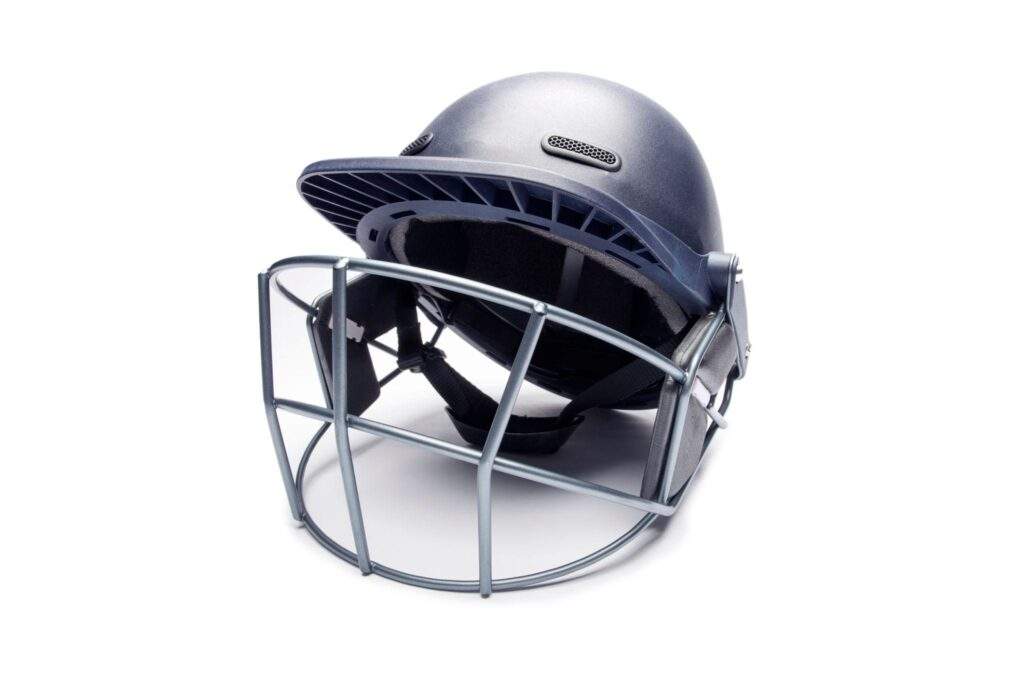
A helmet is compulsory in cricket:
✔ Batsmen
✔ Wicketkeepers standing up to stumps
✔ Close-in fielders (like silly point or short leg)
Why Helmet Is Non-Negotiable:
A ball can travel above 130 km/h. Head injuries can be life-threatening.
What to Look For:
- Steel or titanium grill
- Proper head fitting
- Certified safety standard
Premium helmet brands:
- Masuri
- SG Cricket
Batting Gloves (Hand Protection)
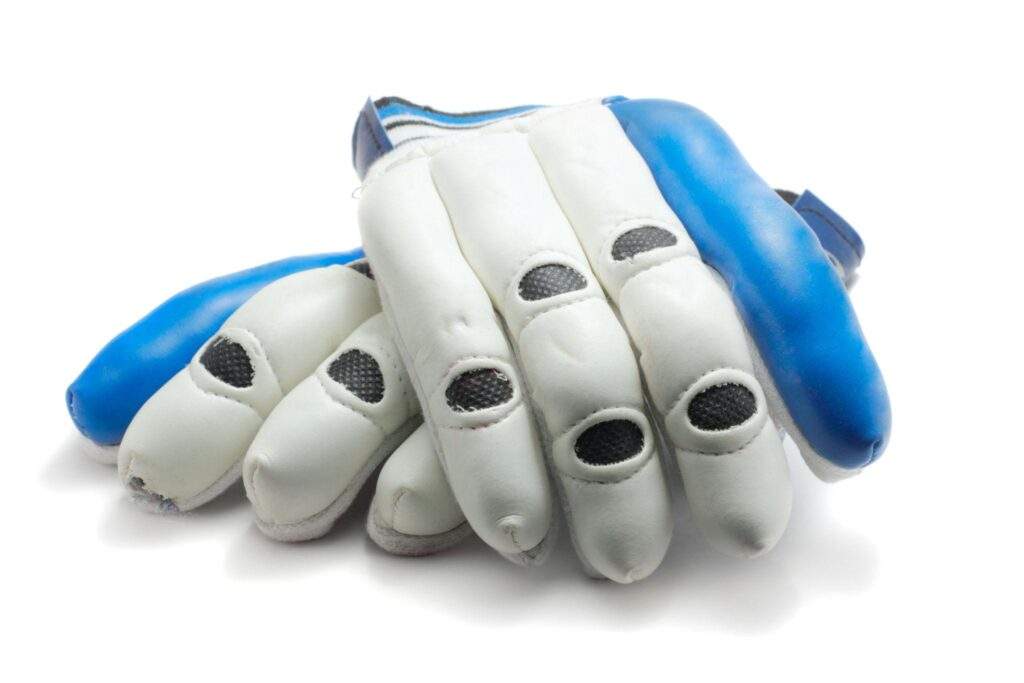
Batting gloves are compulsory because fingers are highly vulnerable to fast deliveries.
Key Protection Features:
- Fiber inserts on fingers
- High-density foam padding
- Strong palm grip
Without gloves, even a mistimed shot can result in fractures.
Batting Pads (Leg Guards)
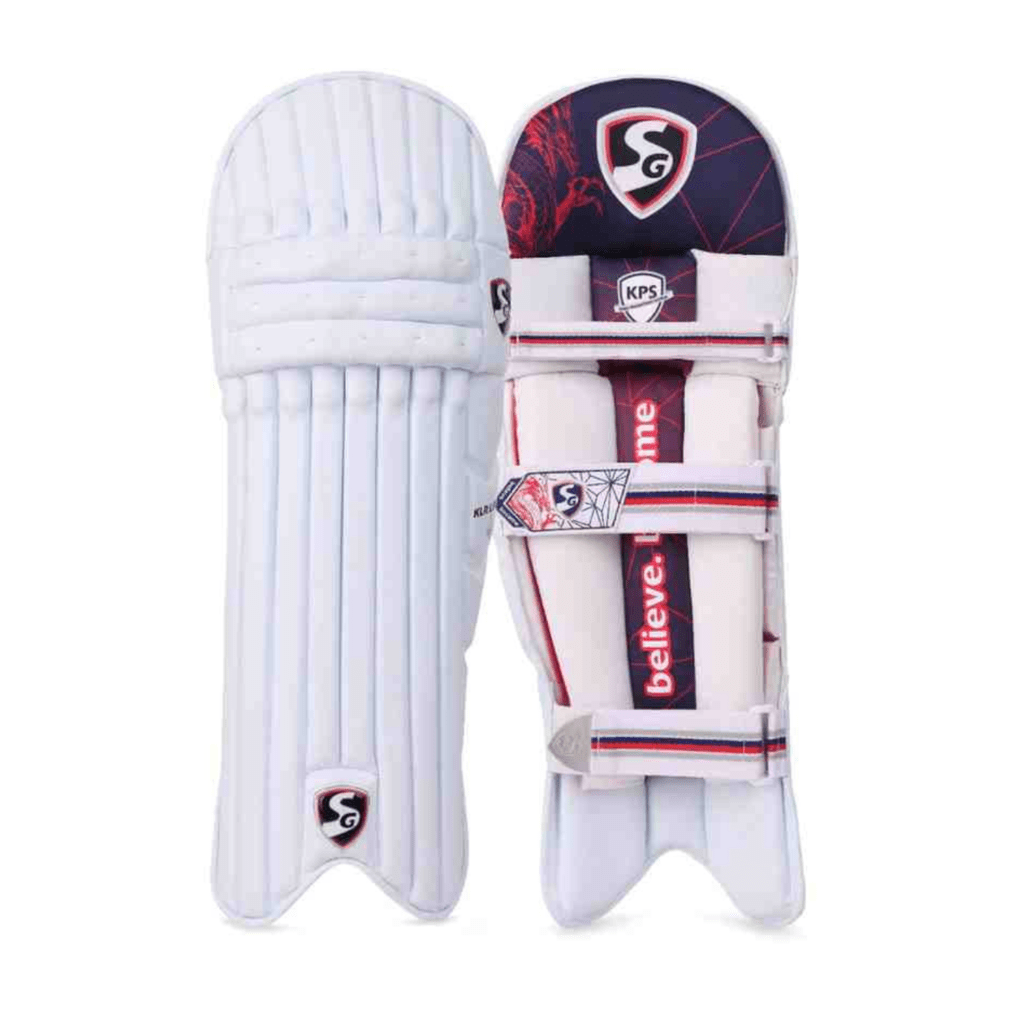
Batting pads are compulsory to protect:
✔ Shin
✔ Knee
✔ Lower leg bones
Balls can cause severe bruising or fractures if pads are not worn.
Expert Advice:
Choose lightweight but high-density foam pads for better mobility.
Abdominal Guard (Box)
Although often ignored by beginners, an abdominal guard (box) is compulsory in cricket.
Why It’s Essential:
It protects the groin area from serious injury.
Who Must Wear It?
- Batsmen
- Wicketkeepers
- Close fielders
No serious leather ball match allows players without a box.
Cricket Shoes (Spike or Rubber Sole)
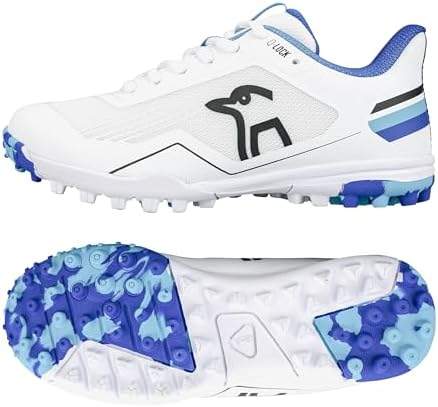
While not always strictly “mandatory,” proper cricket shoes are essential in competitive leather ball cricket.
Types:
- Spike Shoes – For turf or grass wickets
- Rubber Sole Shoes – For hard surfaces
Top brands:
- Adidas
- New Balance
Good shoes provide grip, prevent slips, and reduce ankle injuries.
Wicketkeeping Equipment (If You’re a Keeper)
For wicketkeepers, additional compulsory gear includes:
✔ Wicketkeeping gloves
✔ Wicketkeeping pads
✔ Inner gloves
✔ Helmet (especially when standing up to fast bowlers)
The leather ball moves unpredictably, making proper protection essential.
Thigh Guard, Arm Guard & Chest Guard (Highly Recommended)
These items may not always be “officially compulsory,” but they are strongly recommended in leather ball cricket.
Protection Areas:
- Thigh
- Forearm
- Chest
Fast bowlers can easily target body areas, especially in competitive matches.
Cricket Kit Bag
While not mandatory during play, a kit bag is necessary to safely store equipment.
Choose:
- Water-resistant material
- Multiple compartments
- Strong zippers
Brands like SG Cricket and SS Cricket offer durable options.
Why Compulsory Equipment Matters
Leather ball cricket is played at higher intensity than tennis ball cricket. Injuries can include:
- Finger fractures
- Leg bruises
- Head injuries
- Groin injuries
Professional tournaments, school matches, and district leagues often enforce strict safety checks before allowing players to bat.
Compulsory Equipment for Leather Ball Cricket
Mandatory for Batsmen:
✔ Cricket bat (leather ball quality)
✔ Helmet
✔ Batting gloves
✔ Batting pads
✔ Abdominal guard
✔ Proper cricket shoes
Additional for Wicketkeepers:
✔ Wicketkeeping gloves
✔ Keeping pads
✔ Inner gloves
Strongly Recommended:
✔ Thigh guard
✔ Arm guard
✔ Chest guard
Conclusion
Leather ball cricket demands seriousness, skill, and proper safety gear. Unlike casual cricket, you cannot compromise on protection.
If you are stepping into competitive cricket, make sure you invest in:
✔ Certified helmet
✔ High-quality pads & gloves
✔ Properly knocked leather ball bat
✔ Full protective kit
Safety is not optional in leather ball cricket—it is compulsory.